Agricultural Engineering
CLAAS Outerwall Exstension
Team Members
- Spencer Bartek
- Jacob Uphoff
- Jake Greisen
- Kolby Blaser
Overview
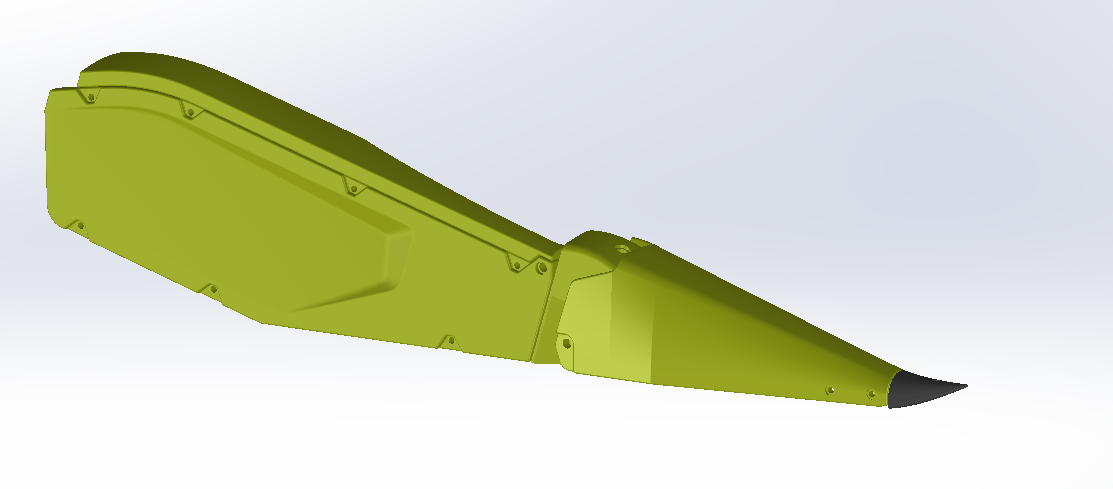
Corn harvesting requires equipment that performs reliably across varying field conditions, especially when handling tall or down corn that disrupts smooth crop flow. Operators use outerwall extensions or tall-corn kits to improve feeding, but existing systems even tool-less designs remain difficult to adjust in different header positions or during operation. These limitations reduce efficiency and create usability challenges in dynamic field environments.
Earlier tall-corn kits relied on bolt-on designs that required tools and significant time to adjust, limiting their effectiveness in changing conditions. CLAAS introduced a tool-less adjustment system in 2018, but issues such as restricted adjustment angles, operator inconvenience, and interference during folding still remain. These shortcomings can lead to downtime, crop loss, and increased equipment damage.
Current outerwall extension systems ultimately fail to meet the needs of modern harvesting due to slow, impractical adjustment processes that may require repositioning or manual effort. This project addresses these gaps by proposing a faster, safer, and more intuitive solution one that is durable, fully tool-free, and adjustable within 30 seconds in any header position to improve overall harvesting efficiency.
Quarterscale: Load Sensing Hitch
Team Members
- Kylie Allen
- Trevor Hannaford
- Elijah Bolin
- Payton Frank
Overview
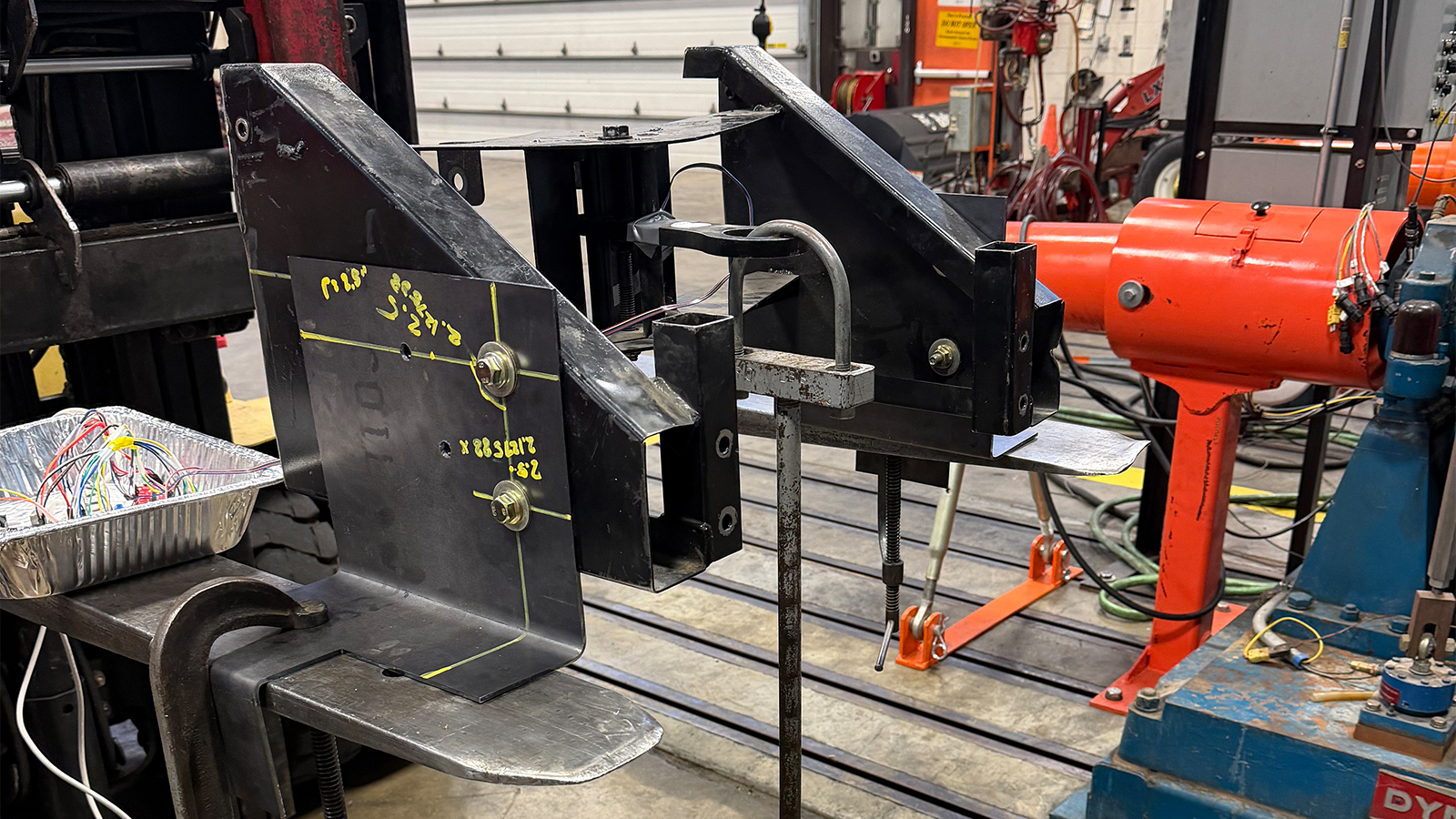
For our senior design project our client(Quarterscale Design Team) requires a reliable and accurate method to measure the loads experienced by a 1⁄4 scale tractor hitch in order to better replicate real competition conditions and validate drivetrain and structural performance. Currently, the lack of real-time load feedback limits the ability to fully understand how forces are distributed across the tractor during operation. This creates uncertainty in the design of load- bearing components, which may not be optimized for the wide range of stresses encountered in competition. To address this, the project is designed to develop a load-sensing hitch sensor capable of capturing real-time vertical and horizontal forces. This data will allow operators to verify actual hitch loads, and optimize weight distribution- particularly in the 1100-pound class where achieving an ideal rear axle load of approximately 825 pounds is more challenging.
The project is grounded in the context of the International 1/4 Scale Tractor Student Design Competition, where students design and build a tractor using a stock engine and apply core engineering principles to design everything else. The competition emphasizes not only performance but also manufacturability, safety, ergonomics, and cost, preparing students for real- world engineering challenges. The proposed sensor will be especially valuable in the pulling and durability events. In pulling, the tractor must overcome increasing resistance from a weight- transfer sled, with optimal performance achieved when maximum weight is transferred to the rear tires. In durability, the tractor operates under sustained load conditions while pulling a resistance cart over uneven terrain, creating dynamic and complex loading on the hitch.
The primary objective of this project is to measure and report the forces applied to the tractor hitch using strain gauge-based sensors. Data collected during tests will be used to evaluate peak vertical and horizontal forces, informing future design decisions for stronger and more efficient components. Additionally, pulling event data will guide ballast configuration strategies to optimize tractor performance under varying hitch heights and loading scenarios.
To ensure success, constraints must be addressed. Strain gauges will first be calibrated on a static test fixture to validate measurement accuracy before being installed on the final tractor in identical positions. The sensor system must comply with competition rules to ensure eligibility and must be capable of collecting accurate data under dynamic conditions while the tractor is in motion.
Ultimately, this project will provide our client with a data acquisition system that enhances understanding of hitch loading, and supports the development of optimized, competition-ready tractor designs.
Settje Feedlot Expansion
Team Members
- Eli Osten
- Zach Andersion
Overview
This project focuses on the design of a feedlot expansion for WBH Cattle Feeding, LLC, located near Orleans, Nebraska. The expansion aims to increase the facilities' headcount (amount of cattle within the operation) while maintaining compliance with Nebraska Title 130 regulations and CAFO permitting requirements.
The expansion includes the construction of new half-RCC (roller-compacted concrete) pens, a manure stockpile area, five sediment basins, and a holding pond. The key objective of the design is to manage surface runoff within the feedlot. Traditional dirt pens have a curve number of 90; RCC surfaces increase runoff due to the lack of infiltration, resulting in a higher curve number (CN = 97). This increase in curve number requires an analysis and design of livestock waste control facilities (LWCFs) to ensure proper capacity.
All proposed basins and ponds must be designed to store runoff from a 25-year, 24-hour storm event, which is approximately 4.82 inches of precipitation for the project location. This requirement ensures that contaminated runoff is properly contained, preventing discharge into nearby water bodies and protecting groundwater quality.
Permitting design will be submitted and approved by NDWEE. The project will be considered a major modification to the operation. This allows for design changes to occur if needed, which can affect permitting, public notices, and county zoning regulations. Once construction is complete, the necessary construction completion documents must be submitted to verify that all standards were met throughout the design and construction of the operation. During construction, a Stormwater Pollution Prevention Plan (SWPPP) will be implemented to control erosion and sediment transport through best management practices such as silt fencing and seeding areas. After construction, the operation must maintain a nutrient management plan and regularly inspect waste control systems to ensure ongoing compliance.
Overall, the project combines the importance of necessary stormwater control and conveyance structures with engineering design to ensure runoff containment and groundwater protection while supporting efficient beef production throughout the facility.
Biological Systems Engineering
Biochar: Removing Pollutants in Farm Ponds
Team Members
- Kayleigh Caulder
- Michael Coniglio
Overview
Our project focuses on developing a practical, farmer-friendly system to reduce nutrient pollution in agricultural ponds using biochar. While modern agricultural practices have increased productivity, they have also contributed to nutrient runoff, where excess nitrogen and phosphorus enter nearby water bodies. This leads to harmful algal blooms, degraded water quality, and nutrient loss from soils, forcing farmers to rely on additional fertilizer. We aim to address both issues by using biochar to capture nutrients in ponds and then reuse it as a soil amendment.
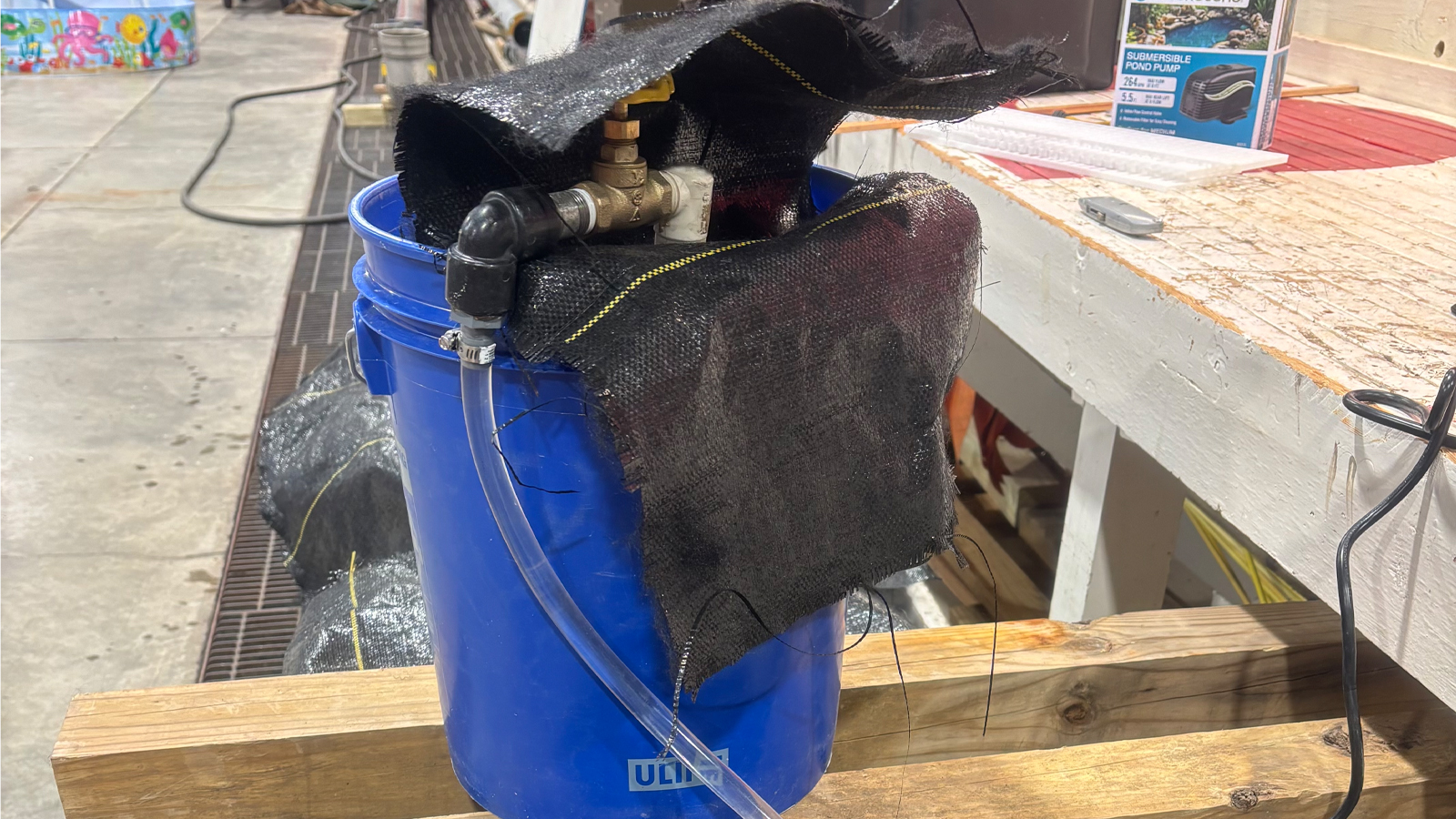
Biochar, a carbon-rich material made from biomass such as crop residue, has a porous structure that allows it to adsorb nutrients from soil and water. Our goal is to design a system that allows farmers to easily deploy, remove, and reuse biochar in a cost-effective and scalable way.
To guide our design, we established key criteria and constraints including, but not limited to, the following: ensure at least 90% biochar recovery, maintain a system cost under $5,000, require minimal maintenance, operate safely without specialized training, and last at least five years. We also prioritized accessibility by selecting materials that are widely available and easy to transport, while ensuring compliance with environmental and safety regulations.
We tested three design alternatives: mesh bags, a floating raft, and a biochar filter. Each concept was assessed based on criteria such as cost, durability, ease of use, safety, and effectiveness. After comparing these options using decision matrices and experimentation, we will select the best of the three options for the Senior Design Showcase and prepare instructional materials for integration by farmers around Nebraska.
Overall, our project delivers a scalable and practical approach to integrating biochar into agricultural systems. By combining water treatment with soil improvement, our design has the potential to improve farm sustainability while addressing nutrient pollution. Further testing and refinement will help us validate performance and support future implementation through the Nebraska Forest Service.
Hickory Nuts
Team Members
- Gibson Ebaugh
- Jillian Bailey
- Calen Pollard
Overview
The goal of this project is to design a small hickory nut orientation machine that reliably positions Shagbark hickory nut cultivars. Shagbark hickory nuts will be fed into the system. A vibratory feeder will orient the nuts by shaking the hickory nuts until oriented properly into the designed grid. Once the hickory nuts are passed through the grid, the collected nuts will be gathered in tubes to be further processed. Currently, hickory nut processing is a labor-intensive process that does not ensure retrieval of quarters/halves. This orientation component will allow for hickory nuts to be placed correctly before processing.
Portable Functional Electrical Stimulation Device
Team Members
- Sydney Haffener
- Makayla Schmidt
- Sophia Hass
- Ethan Wooldrik
- Kaden Durand
- Blake Cerny
Overview
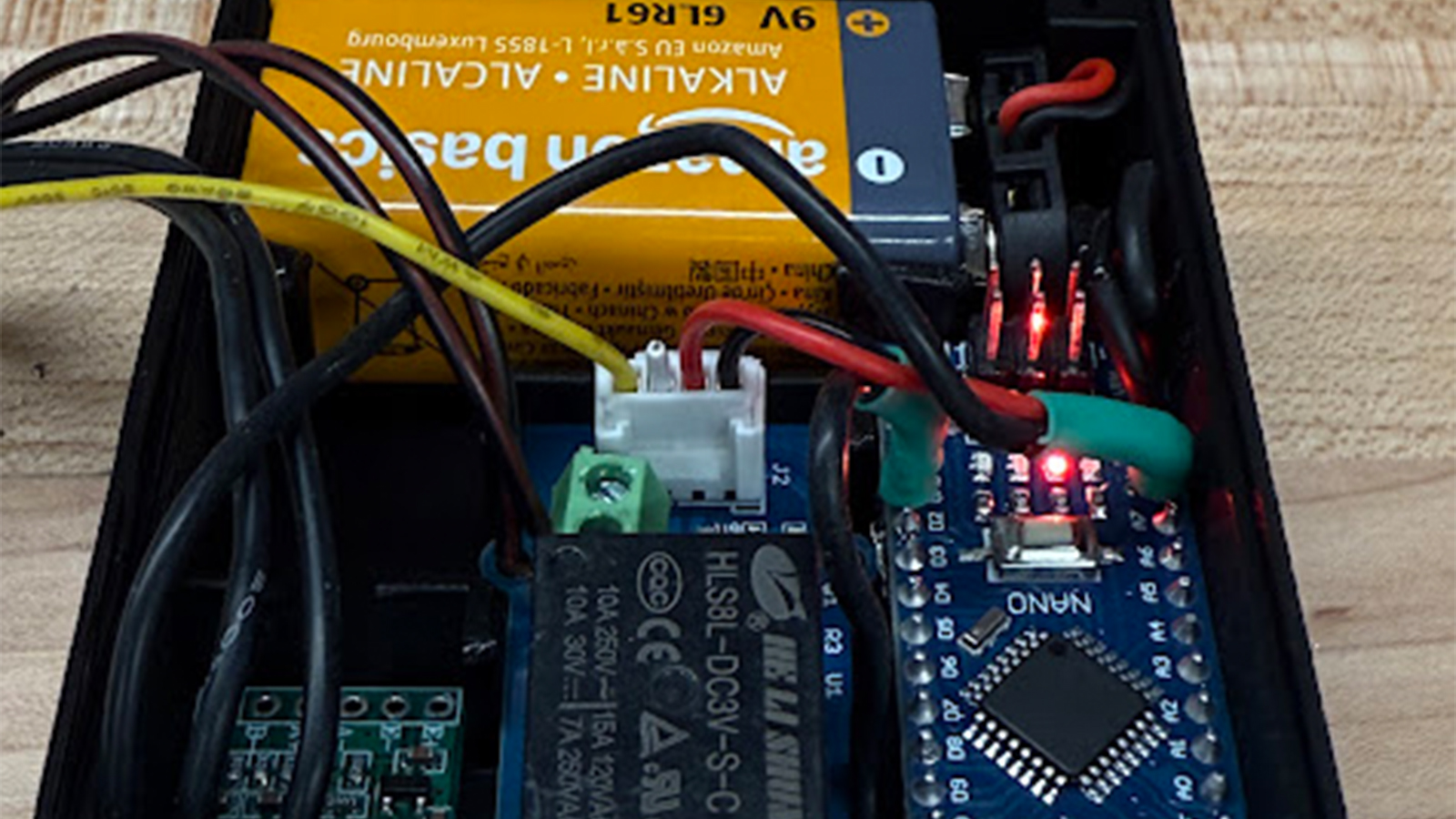
We are a combined group of biological systems engineering and mechanical engineering students working on a portable functional electrical stimulation device (PFESD) for people who have limited or no activation of the tibialis anterior muscle that picks up the toe. This project was contracted by Dr. Hannah Shield, a physical therapist in Arizona who works with patients with drop foot. Drop foot is a condition where someone cannot pick up the end of the foot, and this leads to significant impairment of walking abilities. The device works similarly to a TENS unit where the electrodes are placed on the shin bone to activate the tibialis anterior muscle at a higher and lower point. Then as the subject is walking, when there is no contact with the ground detected by a weight sensor located under the foot, the muscle is activated by electrical stimulation so the toe will be raised. Then when the foot makes contact with the ground, the electrical stimulation shuts off. The goal of this project is to design a device that is effective while still being cost effective.
Showerability Grab Bar Board
Team Members
- Davis Shafer
- Brady Giles
- Contessa Karnowski
- Jake Seip
- Samantha Kluthe
Overview
It is a well-known fact that shower environments are one of the most dangerous places for seniors and those of low mobility. To combat the negative effects of mobility struggles in the shower, Kelly Van Ert, an Omaha-based occupational therapist, founded a company called Empower Independence. The goal of Van Ert’s company is to bring back independence to individuals with limited mobility so that they can live in freedom without fear of falling. Because many falls take place in the shower, the first step that Empower Independence is taking towards safety for all is a board-based product to make it easier to grab shower products.
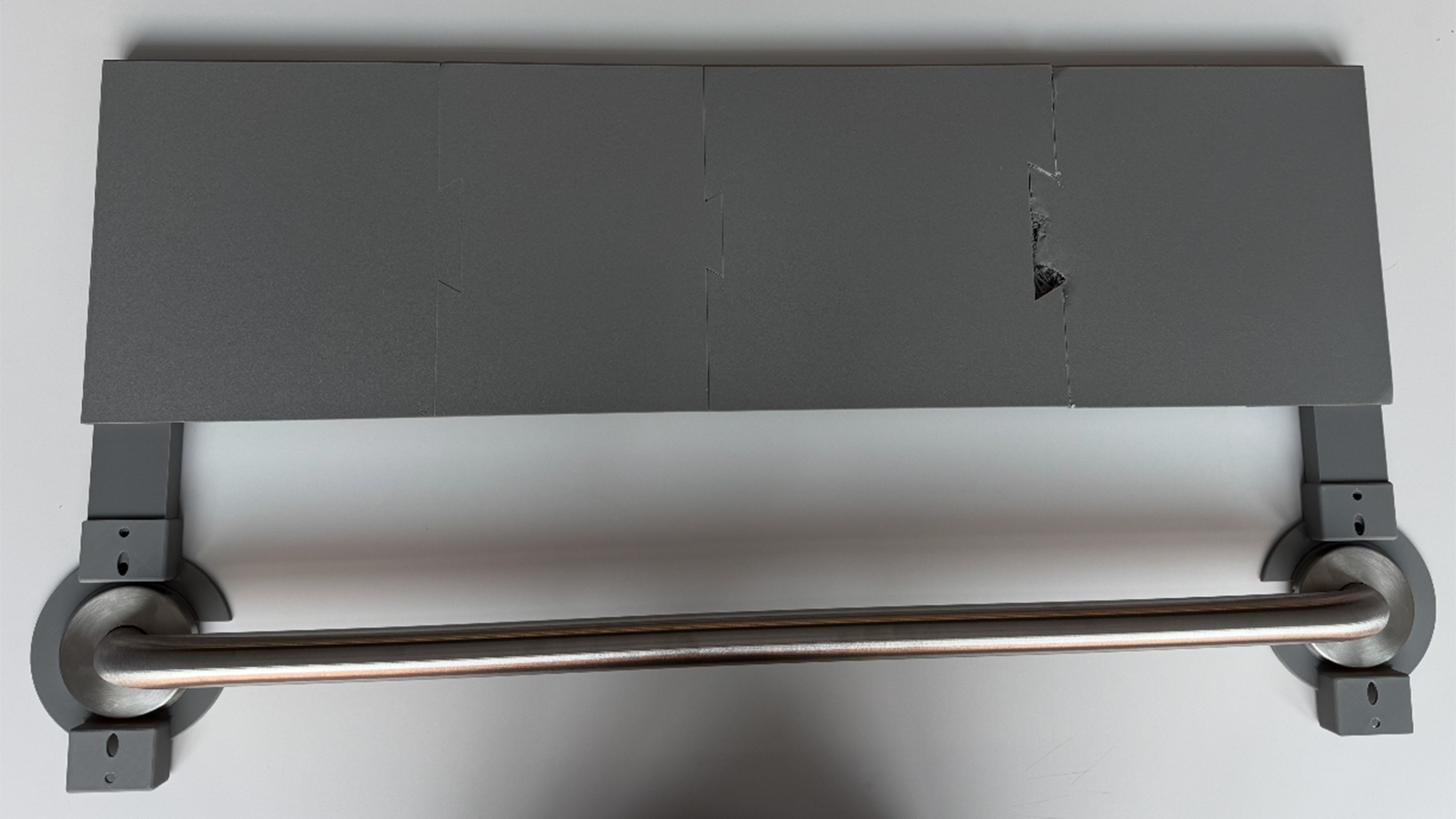
The Showerability product from Empower Independence Company aims to reduce fall risks, enhance stability, and keep necessities within easy reach to minimize physical strain on the individual and any caretakers. Showerability is a board that attaches to the wall of a shower in two different height settings, allowing for shower aid for seated patients and standing patients. This is done by incorporating a place for soaps and other shower items with a handrail that can be attached to the shower wall. The design can be utilized in a patient’s home, rehabilitation facilities, and hospitals. The handrail provides support for the individual, while the metal sheet provides a place for hygiene products to be easily within reach using magnetic meshes that attach to the board. To best support both seated and standing patients, the product must incorporate a board setting above and below the grab bar. In this way, patients in various positions will be able to use the Showerability board.
The current design allows the sheet to be placed above or below the handrail, which is attached to the wall. This model does not work because the locking mechanism utilizes a weak pin system, which is unwieldy for the caretaker to use because of the weight of the design and the faulty pins. The process to change the settings of the board is time-consuming and directs the caretaker’s focus away from the patient. For the patient, this would only add to the barriers that already exist for them. The strength of this design is also in question, as the design must not fall or break, leading to further patient injuries. Van Ert’s company is on a mission to introduce safety and security in the shower setting, and this will begin with a sturdy Showerability product design that emphasizes stability and ease of use.
Seniors and individuals with physical limitations often struggle to step into bathtubs, navigate slick shower surfaces, and reach hygiene products, which significantly increase fall and injury risk while performing basic health maintenance tasks. Showerability has developed an accessible board that will aid these individuals in the shower, but there still remains a risk of injury because of the current faulty locking mechanism.
Thermal Imaging for Pressure Injury Prediction
Team Members
- Michael Hirschbrunner
- Miles Draus
- Wesley Wheeler
- Daniel Bashtovoi
- Max Carlson
- Jaycob Anderson
Overview
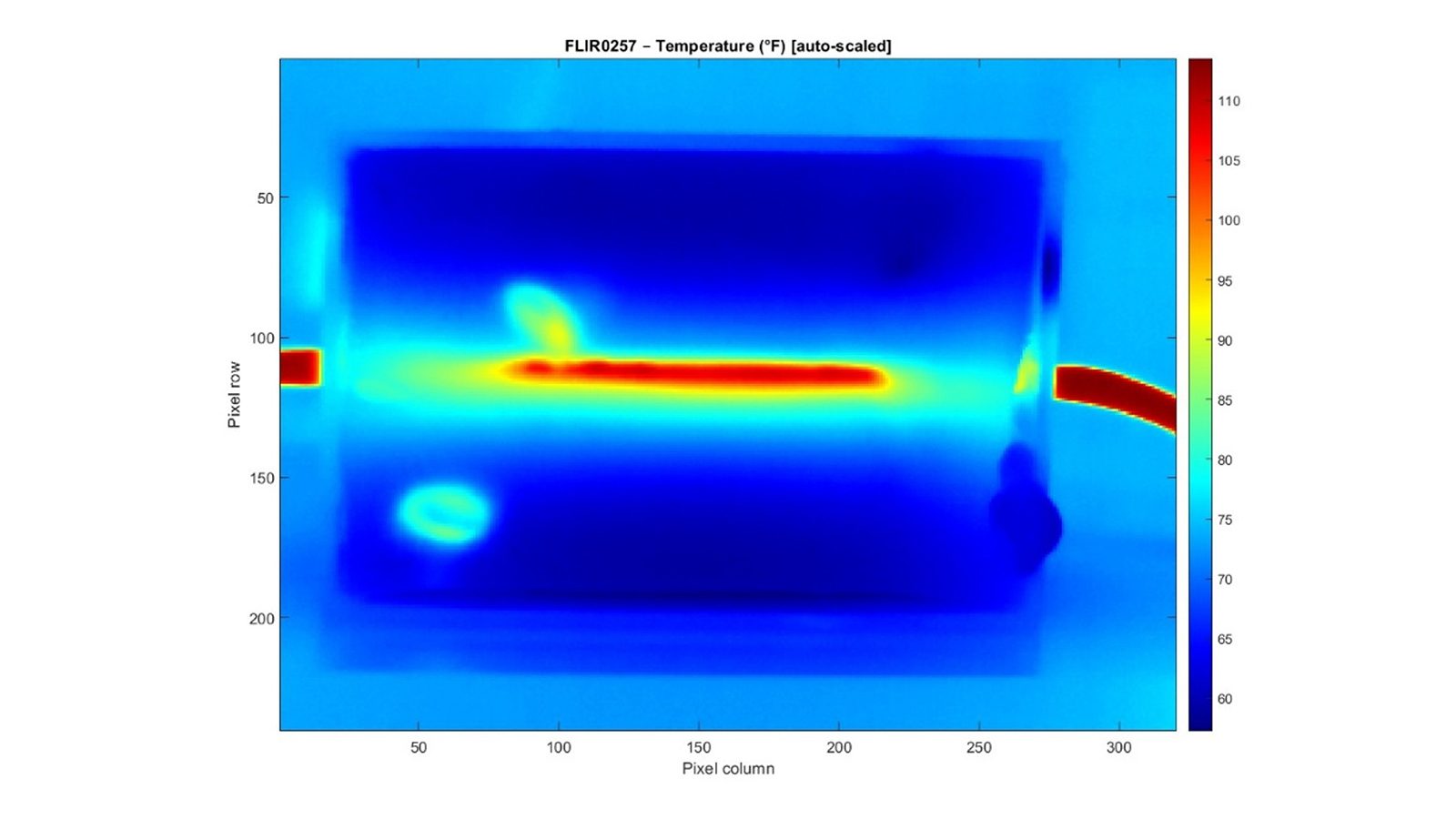
Bed sores develop from prolonged immobility and poor blood flow, especially in inpatient or surgical settings. If untreated, they can lead to infections, delayed recovery, and increased healthcare costs (Bhattacharya, 2015). Prevalence can be ~5–15% among hospitalized patients; up to 14.3% in ICU populations (Mondragon, 2024). Detection usually occurs after visible skin damage, not during early thermal or circulatory changes. Despite the prevalence of pressure injuries in hospitals, nursing homes, and long-term care facilities, there is currently no minimally invasive method for early prediction of areas at risk of pressure sores. This absence of early detection leads to delayed treatment, risk of infection, patient discomfort, longer hospital stays, and higher healthcare costs.This project’s objective is to establish a method in which pressure injuries, such as bedsores, can be predicted using a thermal imaging system. While integrating into UNMC’s established Nurse turn team protocol, the system must be easily transportable, not block any already existing equipment in the room, and must not be invasive to the patient with no skin contact.
Uganda Fruit Dehydration
Team Members
- Keifer Anderson
- Christina Carozza
- Victor Oliva
- Logan Kapels
Overview
Agriculture serves as a foundational pillar of Uganda’s economy, employing a large portion of the population and acting as the primary source of income for rural communities. The country’s fertile soils and tropical climate create ideal conditions for cultivating a diverse range of fruits, including pineapples, mangoes, bananas, and papayas. Many smallholder farmers practice mixed farming systems, growing a variety of crops to sustain their households and local communities. While this approach supports food security, it also limits opportunities for large- scale production and consistent income generation, as most farmers sell only surplus produce in nearby markets.
Despite strong agricultural productivity, Uganda faces significant post-harvest challenges that hinder the profitability of fruit farming. Limited transportation infrastructure makes it difficult for small-scale farmers to efficiently deliver their produce to market. As a result, fruits are often subjected to multiple handling stages, increasing the likelihood of bruising, damage, and spoilage. Upon reaching local markets, farmers frequently encounter oversupply, which drives prices down and reduces potential earnings. Additionally, the hot and humid climate accelerates the deterioration of unsold produce. Collectively, these issues contribute to an estimated 30–40% loss of harvested fruit annually.
To mitigate spoilage, many farmers rely on traditional preservation techniques such as open-air sun drying. This method typically involves placing sliced fruit on mats or plastic sheets under direct sunlight. While accessible and low-cost, open-air drying exposes produce to contaminants such as dust, insects, and unexpected rainfall, leading to inconsistent quality and potential food safety concerns. Alternative solutions, such as mechanical dehydrators, are often impractical due to their high cost and reliance on electricity. These resources are not consistently available in many rural areas.
This project aims to address these challenges by developing an affordable, renewable- energy powered fruit dehydrator tailored to the needs of small-scale farmers in Uganda. By utilizing locally available materials and energy-efficient design principles, the proposed solution seeks to provide a practical and sustainable method for preserving fruit harvests. Extending the shelf life of fruits will allow farmers to reduce post-harvest losses, store surplus production, and access markets more strategically, ultimately improving their earning potential.
In addition to reducing waste, the project seeks to promote economic growth and community resilience by creating new income opportunities and strengthening local food systems. The emphasis on environmentally friendly design also supports the advancement of sustainable agricultural practices within rural communities. Overall, this initiative aims to bridge
the gap between production and preservation, empowering farmers with a reliable tool to enhance productivity, profitability, and long-term sustainability.
Uganda Oil Seed Press
Team Members
- Abigail White
- Ella Lawrence
Overview
The purpose of this senior design project is to develop a solar-powered seed oil press that improves oil extraction efficiency for small-scale farmers in Uganda. The project aims to create a system that is affordable, durable, and adaptable to locally available materials while reducing reliance on grid electricity or manual labor. Key goals include designing and modeling the press in CAD, analyzing power requirements for solar integration, and optimizing the mechanical components for maximum yield and ease of maintenance. Through collaboration with local stakeholders and adherence to relevant ASABE and ISO standards, this project seeks to deliver a sustainable engineering solution that enhances agricultural productivity and supports community self-sufficiency.
UNMC Robotic Telehealth Cart
Team Members
- Madeline Stephens
- Emma Rhode
- Addie Smith
- Ariel Ammentorp
Overview
This project focuses on the design and prototyping of a robotic mobility module that integrates with existing telehealth carts at the University of Nebraska Medical Center (UNMC). Currently, telehealth carts must be manually transported and positioned by clinical staff, which interrupts workflow, adds to staff workload, and may delay patient-clinician interactions. The proposed robotic module will enable remote nurses or operators to navigate the cart to a specified location without requiring in-person assistance.
The primary engineering objectives of this project include developing a safe and reliable navigation system, achieving accurate and repeatable positioning within patient rooms, and ensuring compatibility with existing telehealth hardware and clinical workflows. Additional considerations include obstacle detection, speed control, and adherence to hospital safety standards. The overall goal is to reduce staff burden, minimize placement delays, and improve the efficiency and consistency of telehealth. This project inherently reflects the real-world engineering design process by requiring iterative prototyping, integration, testing under realistic constraints, and making design decisions that balance technical feasibility, safety, cost, and user needs.