University of Nebraska–Lincoln
  • Visit
    • Visit the College of Engineering
    • Visit the University of Nebraska–Lincoln
  • Apply
    • Apply to the College of Engineering
    • Apply to the University of Nebraska–Lincoln
  • Give
    • Give to the College of Engineering
    • Give to the University of Nebraska–Lincoln
Log In
Search

Search Form

College of Engineering
Civil & Environmental Engineering
Search
Log In
  • About
    • Faculty & Staff
    • Contact Us
    • Committees
    • Career Opportunities
    • ABET Accreditation
  • Prospective Students
    • B.S. in Civil Engineering
    • B.S. in Environmental Engineering
    • Accelerated Master's Degree in Civil Engineering
    • M.S. in Civil Engineering
    • Dual MS in Civil Engineering and Community and Regional Planning
    • M.S. in Environmental Engineering
    • Ph.D. in Civil Engineering
    • Minor in Environmental Engineering
  • Undergraduate Program
    • Student Organizations
    • Student Resources
    • Emphasis Areas
    • FE Exam Resources
  • Graduate Programs
    • Student Resources
    • Graduate Student Directory
    • Graduate Student Association
  • Research
    • Research Areas
    • Research Centers
    • Student Research Opportunities
  • Alumni & Friends
    • News
    • Industry Advisory Board
    • Invest in Civil and Environmental Engineering
    • Stay Connected
  1. Nebraska
  2. Engineering
  3. Civil & Environmental Engineering
  4. Research
  5. Research Areas

Research Areas

Engineering Education

Discipline-based education research (DBER) in engineering encompasses the study of teaching and learning in engineering from the perspective of engineering as a whole and the individual engineering disciplines – their domain knowledge, practices, culture, world outlook, and concerns. It is the study of the teaching and learning of our youngest engineering hopefuls which generates evidence of change in how we educate students.

Learn More

Two students working on laptops

Environmental Engineering

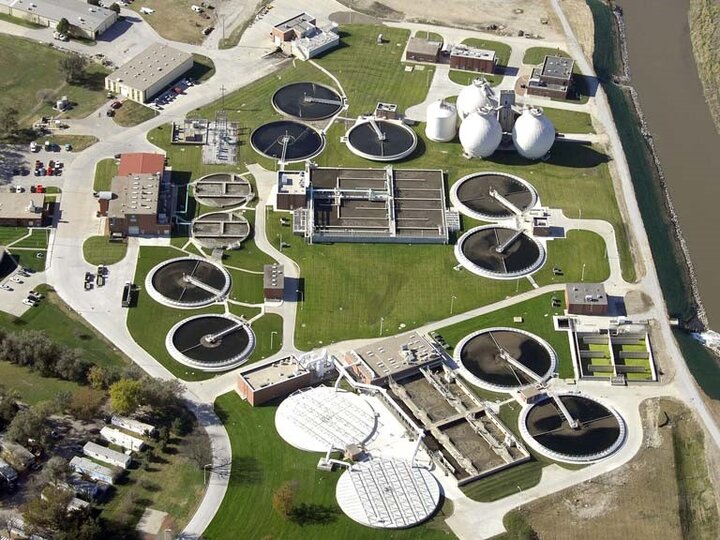
The Environmental Engineering faculty conduct research on the funamental and applied aspects of water and air quality engineering, using knowledge in environmental chemistry, environmental microbiology, and process engineering.
Learn More

Aerial photo of a municipal wastewater treatment plant

Geotechnical and Materials Engineering

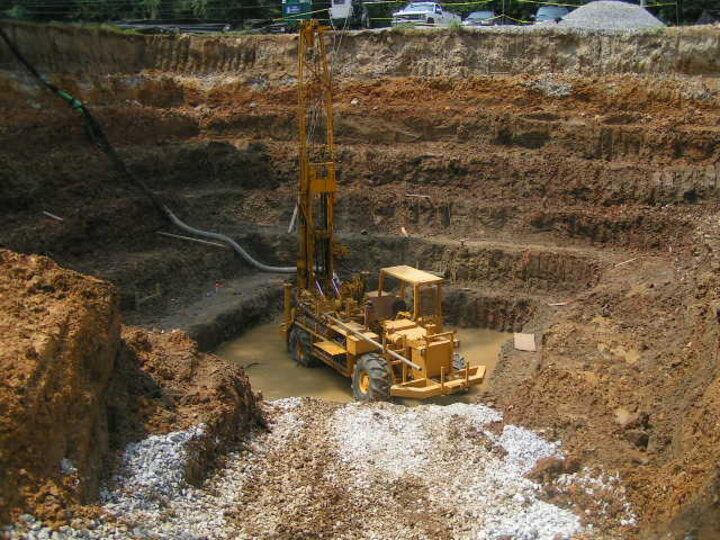
Geotechnical engineering studies geomaterials (e.g., soils, rocks) to determine the best methods for supporting structures and mitigating issues like floods, landslides, and earthquakes. They also design foundations and structures such as dams, levees, tunnels, and landfills.

Materials engineering focuses on designing construction materials with specific properties, selecting and developing cementitious mixtures, monitoring material quality, and creating specifications for the design, repair, and maintenance of civil infrastructure.
Learn More

A backhoe in the bottom of a pit of dirt

Structural Engineering

Structural engineering focuses on the design and analysis of physical systems to safely withstand natural and man-made forces. Structural engineers often work together collaboratively with other engineering disciplines to design large civil infrastructure, such as buildings, roadways, bridges, water treatment facilities, dams, and many others.

Learn More

Aerial photo of highway

Transportation Systems Engineering

Transportation engineering focuses on the planning, design, and operations of the transportation system, as well as the management of transportation assets. The transportation system enables the movement of both people and goods that is necessary for economic and social well-being of all Americans.

Learn More

Aerial photo of port with trucks lined up to pick up their cargo.

Water Resources Engineering

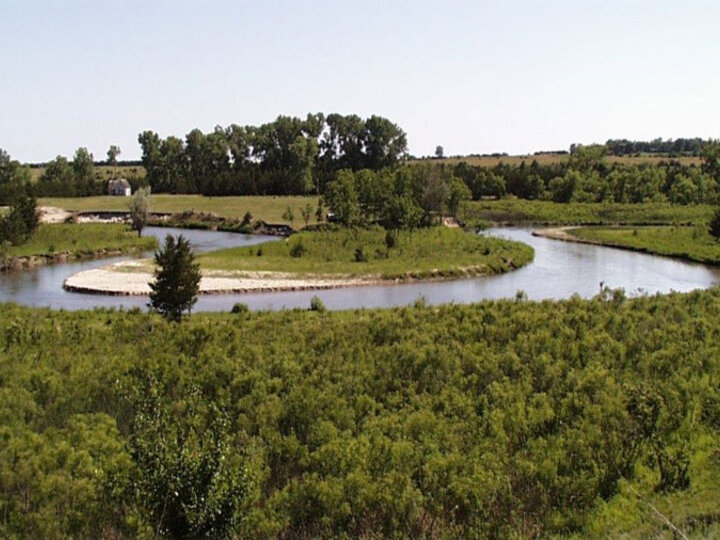
Fresh water is arguably the most important resource in the world. Climate change and population growth are rapidly changing the availability and distribution of fresh water resources. Water resources engineers manage, plan, and design water resources systems and structures, thus playing a pivotal role in dealing with the increasing complexities of fresh water systems.
Learn More

River

See our Students' Research

Contact us

https:// www.unl.edu
City Campus
Address
844 N 16th St., C190
Scott Engineering Center

Lincoln, NE 68588-0531 US
Phone
402-472-2371
Email
cee@unl.edu
https:// www.unl.edu
Scott Campus
Address
200E 1110 South 67th St
Peter Kiewit Institute

Omaha, NE 68182-0178 US
Phone
402-554-2462

Related Links

Facebook

Twitter

Instagram

YouTube

LinkedIn

Campus Links

  • Directory
  • Employment
  • Events
  • Libraries
  • Maps
  • News
  • Office of the Chancellor
  • Report an Incident

Policies & Reports

  • Accessibility Statement
  • Institutional Equity and Compliance
  • Notice of Nondiscrimination
  • Privacy Policy
  • Safety at Nebraska
  • Student Information Disclosures
UNL web framework and quality assurance provided by the Web Developer Network · QA Test
University of Nebraska–Lincoln
Established 1869 · Copyright 2025