University of Nebraska–Lincoln researchers are studying how an unusually versatile bacterium can be harnessed to more efficiently break down plant waste to help transform it for new uses.
The research has particular significance in Nebraska, where as much as 40% of corn left after harvest is waste material.
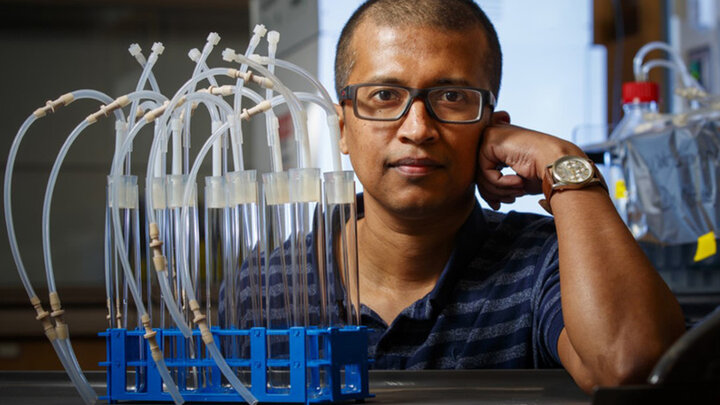
“How can we make that waste usable?” said Rajib Saha, assistant professor of chemical and biomolecular engineering, who’s leading the research team seeking to answer that question.
Ethanol production is one way, of course, and Nebraska is a leading producer.
“But we are trying to understand what else you can make out of this,” Saha said.
Saha has received a National Science Foundation CAREER award that provides $747,855 over the next five years.