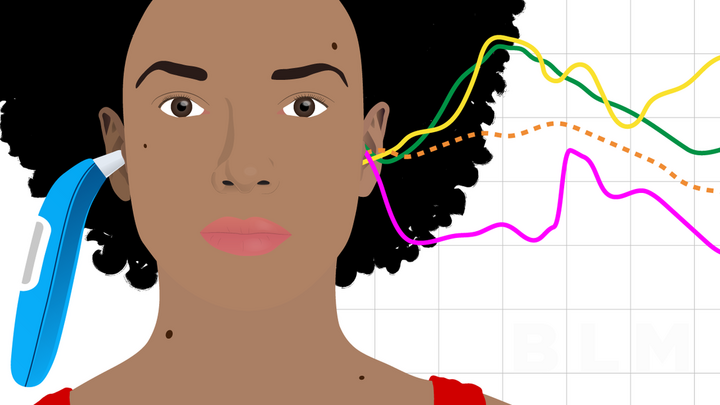
Putting a smart thermometer to the ear could mean putting an ear to the ground for future COVID-19 outbreaks and the consequences of relaxing social distancing, says a University of Nebraska–Lincoln engineer.
Alongside colleagues from the University of Nebraska Medical Center and University of Nebraska at Kearney, Fadi Alsaleem is exploring how data from Bluetooth-connected Kinsa thermometers may help forecast COVID-19 hotspots in Nebraska up to weeks before new outbreaks are officially reported. With a boost from that data and machine learning, the researchers are also busy constructing a model that might better predict how the spread of the novel coronavirus will respond to the relaxation of social distancing guidelines.