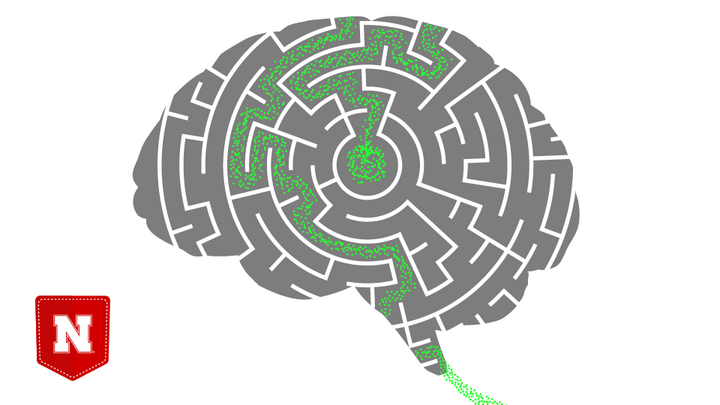
Despite the fact that traumatic brain injuries hospitalize or kill nearly 3 million Americans annually, no approved treatment has yet been developed. That’s partly due to the difficulty of delivering drugs across the blood-brain barrier and to damaged tissue.
Nanoparticles show promise for protecting and carrying drugs to the brain. But researchers still have much to learn about how the properties of nanoparticles affect their accumulation and retention in gray matter. Though imaging techniques such as fluorescence and MRI can help track the location of nanoparticles in space and over time, respectively, most nanoparticles register with only one or the other.