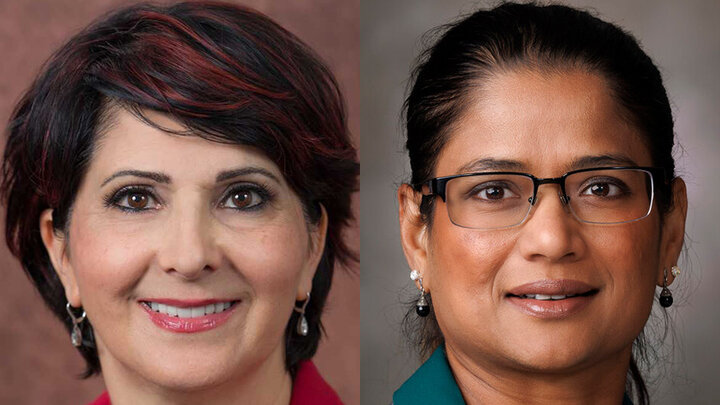
A record five University of Nebraska–Lincoln innovators have been named senior members of the National Academy of Inventors, an honor that recognizes excellence in translating research into tangible impact.
Husker researchers Shubhendu Bhardwaj, Nicole Buan, Forrest Kievit, Rebecca Lai and James Schnable are among the 230 senior members selected this year — the NAI’s largest-ever class — who collectively hold more than 2,000 U.S. patents and are key players in mentoring the next generation of inventors. NAI launched the Senior Member program in 2018 to recognize emerging inventors’ success in patents, licensing and commercialization efforts that improve public welfare and economic development.
The engineering faculty include:
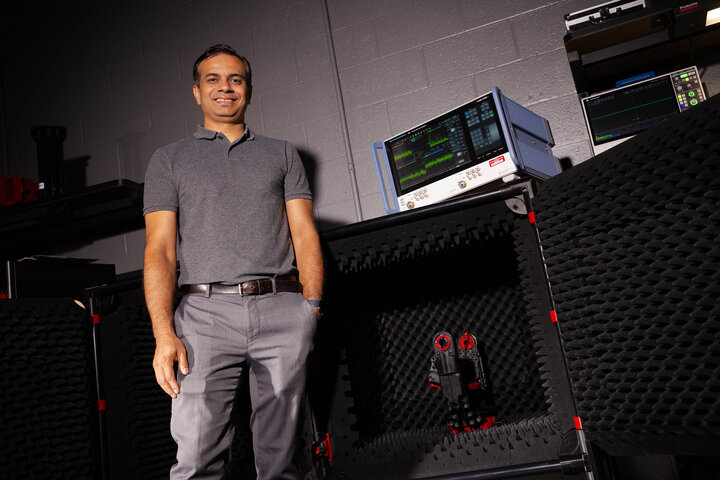
Shubhendu Bhardwaj, associate professor of electrical and computer engineering, leads research advancing national priorities in spectrum efficiency, wireless connectivity and wearable health technologies. With more than $3 million in competitive funding, including a Small Business Innovation Research grant from the Air Force and a National Science Foundation I-Corps award, Bhardwaj is developing advanced wireless systems, antennas and computational electromagnetics. He holds four issued U.S. patents, including one for a circularly polarized horn antenna that supports emerging 5G/6G networks. His innovations also include textile-integrated wireless power systems, which feature antenna that can be woven into fabric and maintain performance despite misalignment. He is pursuing similar strategies to enhance medical textiles, including smart bandages for wound monitoring, which could expand the frontiers of telemedicine and remote health monitoring.
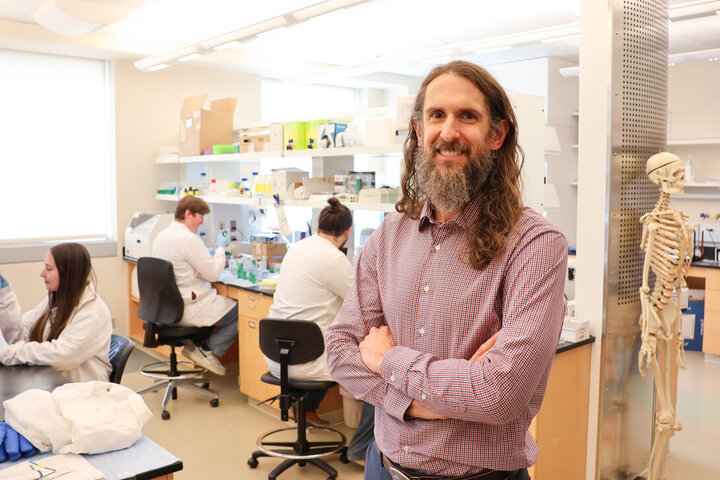
Forrest Kievit, associate professor of biological systems engineering, leads translational research at the intersection of neural engineering and nanomedicine. He pioneers multifunctional nanoparticle systems capable of crossing the blood-brain barrier, a longstanding challenge in treating traumatic brain injury and brain cancer. Kievit has secured more than $5 million in competitive funding, including R01 and Small Business Innovation Research grants from the National Institutes of Health, and is a named inventor on five U.S. patents. He founded NanoPhylax in 2023 with the long-term goal of developing the first disease-modifying therapy for traumatic brain injury and reducing long-term disability and health care costs for these injuries, which affect 10 million people annually. His strategy prevents or slows brain damage by removing harmful molecules in the brain called free radicals. Beyond traumatic brain injury, Kievit’s patents cover nanoparticle-related strategies for radiation of pediatric brain tumors and versatile platforms for gene delivery and advanced cell culture, opening the door to innovations in regenerative medicine and targeted therapies.